


Chattermill vs Verint: Voice of the Customer Platform Comparison


The CX intelligence
platform that's AI-native by design
Book a demoChoosing between Chattermill and Verint often comes down to a fundamental question: do you need a platform built specifically for feedback analytics, or one that embeds VoC within a broader enterprise suite? The answer shapes everything from implementation timelines to the depth of insights your teams can actually use.
This comparison breaks down how each platform handles feedback unification, AI-powered analysis, integrations, and real-world fit for different organization types.
What is Chattermill
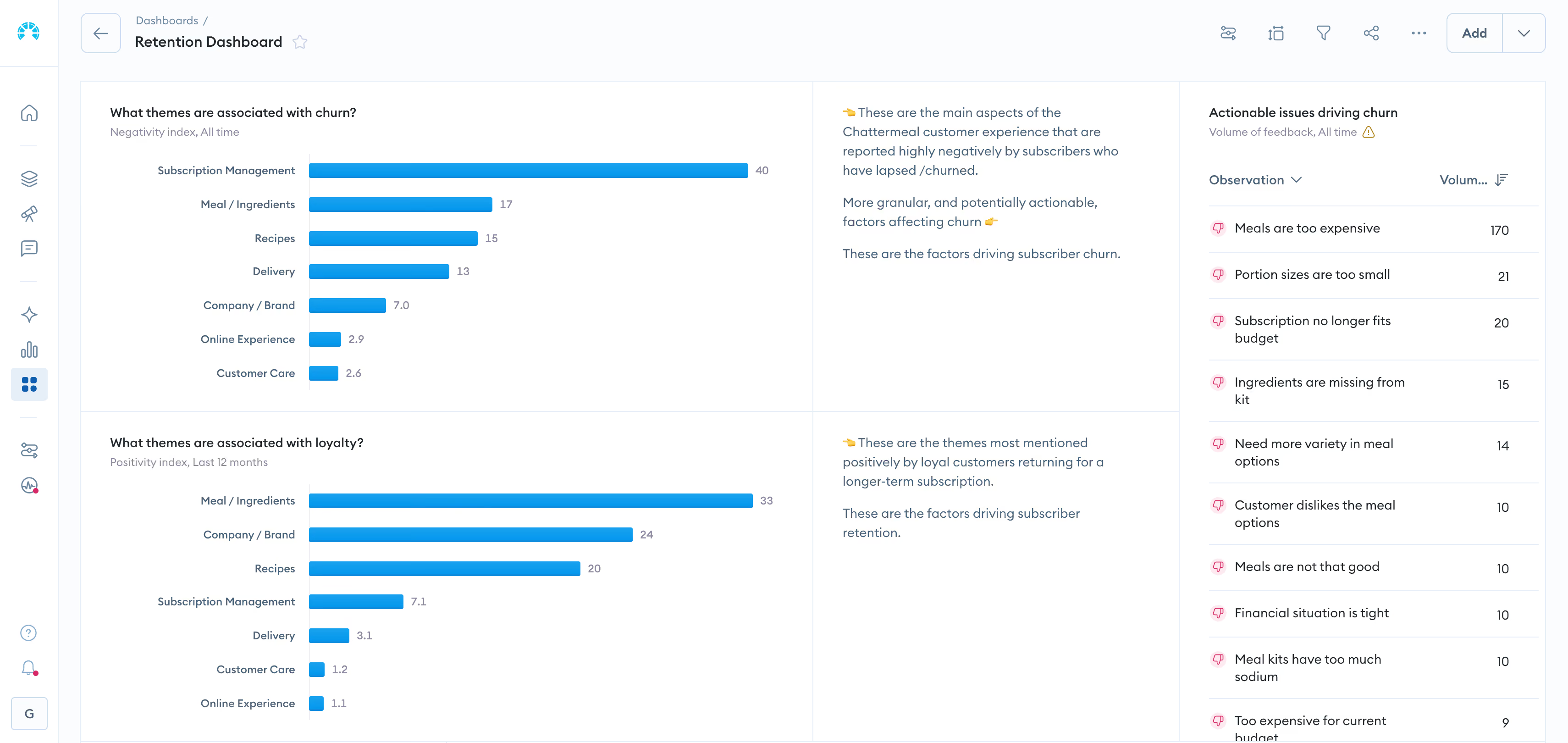
Chattermill is an AI-powered feedback analytics platform that unifies customer feedback from surveys, support tickets, reviews, social media, and chat into one place. The platform uses deep learning to automatically detect themes, sentiment, and emerging issues across all that feedback without requiring manual tagging or rule configuration.
CX leaders, product teams, and insights professionals use Chattermill to understand what customers are actually saying at scale. Rather than spending hours reading through individual comments, teams get AI-surfaced patterns that show which issues matter most and how sentiment is shifting over time.
- Core function: Unified feedback analytics across all channels
- Primary users: CX leaders, product teams, insights professionals
- Key differentiator: AI-driven theme detection and sentiment analysis
What is Verint Voice of the Customer
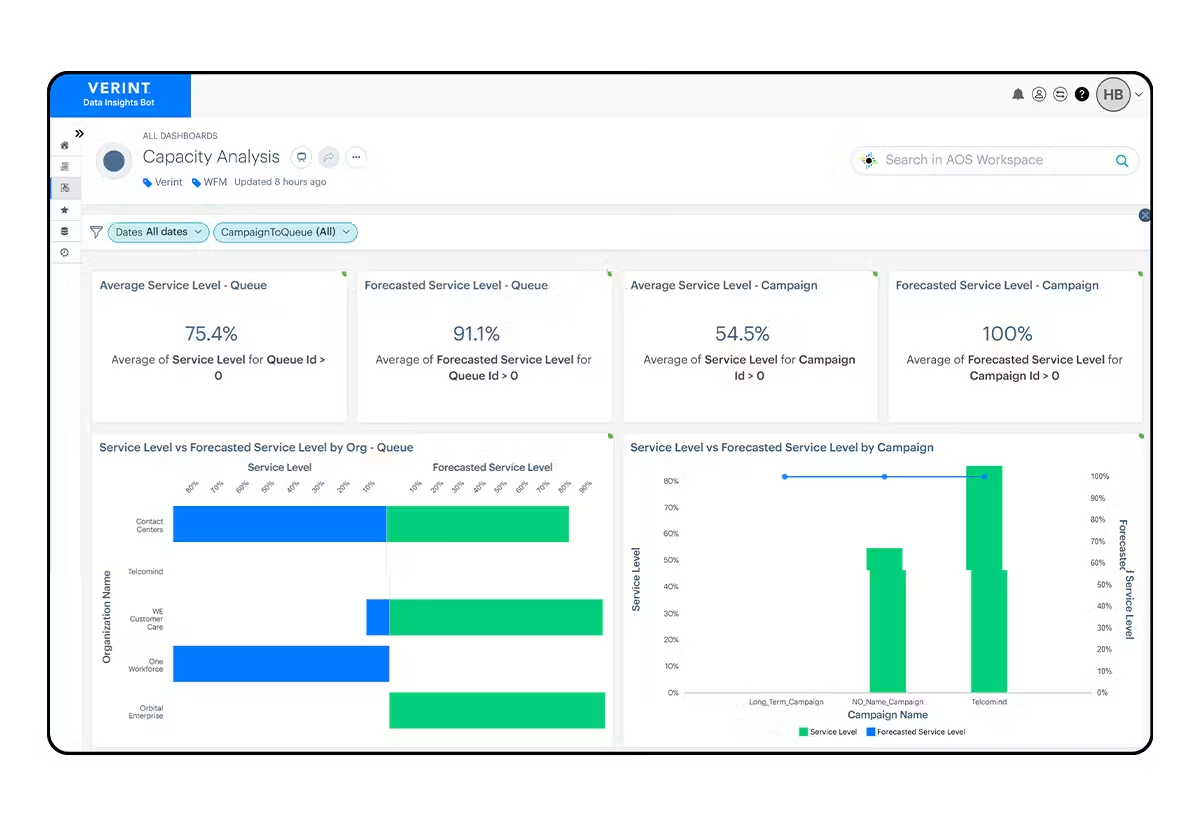
Verint takes a different approach. The platform grew out of contact center and workforce optimization technology, so its VoC capabilities sit within a broader enterprise suite that includes workforce management, quality monitoring, and interaction analytics.
For organizations already using Verint products, particularly those with large contact centers, this integration can work well. Verint's strength lies in combining voice analytics from recorded calls with text-based feedback, giving teams visibility into both digital and phone interactions.
- Core function: Enterprise customer engagement and feedback analytics
- Primary users: Large contact centers, enterprise CX operations
- Key differentiator: Part of comprehensive workforce and engagement suite
Chattermill vs Verint: Feature comparison
The core difference between Chattermill and Verint comes down to focus. Chattermill is built specifically for feedback analytics. Verint offers VoC as one piece of a larger enterprise platform. That distinction affects everything from how quickly you can get started to how deep the insights go.
Feedback unification and data sources
Chattermill brings together feedback from different sources, like Zendesk tickets alongside App Store reviews and NPS survey responses, without extensive setup. Unified customer intelligence is a core capability, not an add-on feature.
Verint handles both direct feedback from surveys and indirect feedback from recorded calls and chat transcripts. However, achieving comprehensive coverage often requires multiple modules. Organizations already running Verint may find this straightforward, while new implementations involve more complexity.
Theme detection and categorization
Chattermill uses deep learning to discover themes and sub-themes within feedback automatically. The AI adapts as new topics emerge, so you're not limited to predefined categories or stuck updating rules when customer concerns shift.
Verint's text analytics capabilities are solid, though they've historically relied more on rule-based approaches with AI enhancements. This works well for organizations with stable, predictable feedback patterns but can require more maintenance as customer issues evolve.
Reporting and dashboards
Both platforms offer customizable dashboards, though the experience differs. Chattermill's interface is designed for cross-functional teams. CX leaders, product managers, and insights analysts can each access role-appropriate views without extensive training.
Verint's reporting is comprehensive, reflecting its enterprise heritage. The breadth of the platform means users often navigate more complexity to reach specific insights.
Anomaly detection and alerts
Chattermill's proactive alerting surfaces emerging issues before they escalate. When sentiment shifts or a new complaint pattern appears, relevant teams get notified automatically. This early warning helps organizations respond while problems are still manageable.
Verint offers alerting as well, though configuration requirements vary depending on which modules are deployed.
NPS, CSAT, and CES tracking
Tracking satisfaction scores is standard. What matters more is understanding why those scores move. Chattermill connects CX metrics directly to underlying feedback themes, so when NPS drops, you can immediately see which specific issues are driving the decline.
Verint provides integrated metric reporting within its broader analytics framework. The connection between scores and root causes may require more manual analysis depending on your setup.
How AI and sentiment analysis capabilities compare
AI capabilities have become the key differentiator in modern VoC platforms. The question isn't whether a platform uses AI. It's how sophisticated that AI is and what it enables teams to do with their feedback data.
Chattermill AI-powered feedback analytics
Chattermill's deep learning models go beyond basic positive/negative sentiment classification. The platform identifies nuanced emotions, intent, and specific aspects of products or services that customers mention. This granularity in AI sentiment analysis matters when you're trying to prioritize which issues to address first.
The AI improves continuously as it processes more feedback, becoming more accurate at detecting themes specific to your business without requiring manual training.
Verint text and speech analytics
Verint's analytics heritage in speech recognition gives it strong capabilities for analyzing recorded calls. For contact center-heavy organizations, this is a genuine advantage. The platform can transcribe and analyze voice interactions alongside text-based feedback.
Organizations where phone interactions represent a significant portion of customer touchpoints will find this speech analytics capability fills an important gap.
Multilingual analysis at enterprise scale
Global organizations face a particular challenge: feedback arrives in dozens of languages, and translation-based approaches introduce delays and accuracy issues. Chattermill processes feedback natively in multiple languages, maintaining nuance that often gets lost in translation.
Verint supports multilingual analysis as well, though capabilities vary by module and deployment configuration.
Integration and tech stack compatibility
A VoC platform that doesn't connect to your existing tools creates data silos. Integration capabilities often determine whether insights actually reach the teams who can act on them.
CRM and support platform integrations
Chattermill offers native connections to platforms CX and product teams use daily:
- Salesforce for customer context
- Zendesk, Intercom, and Freshdesk for support data
- App stores for mobile feedback
- Survey tools like Typeform and SurveyMonkey
Verint integrates with enterprise CRM systems as well, though integration depth often depends on which Verint modules you've deployed.
Product and analytics tool connections
Getting insights into product teams' workflows requires connections to tools like Jira, Productboard, and business intelligence platforms. Chattermill supports these integrations, enabling product managers to see customer feedback alongside roadmap priorities.
API access and custom workflows
Both platforms offer API access for custom integrations. Chattermill's API enables organizations to build automated workflows, pushing insights to Slack channels, triggering tickets based on feedback patterns, or feeding data into custom dashboards.
Who should use Chattermill vs Verint
Platform selection depends on your organization's context, existing technology investments, and primary use cases.
Best fit for Chattermill
Organizations that prioritize deep feedback analytics and fast time-to-insight typically find Chattermill aligns well:
- Teams needing unified feedback from digital touchpoints
- Organizations prioritizing product and CX improvements based on customer voice
- Companies seeking rapid deployment without extensive implementation projects
Best fit for Verint
Verint tends to serve organizations with different priorities:
- Enterprises with established contact center operations and existing Verint investments
- Organizations requiring speech analytics from call recordings
- Companies seeking a unified platform for workforce management alongside VoC
Industry and company size considerations
Mid-market and enterprise organizations with digital-first customer experiences often find Chattermill's focused approach delivers faster value. Organizations in financial services, retail, or telecom with large contact center operations may benefit from Verint's broader suite, particularly if they're already using other Verint products.
Pricing and total cost of ownership
Neither platform publishes standard pricing, which reflects the enterprise nature of both solutions. However, the factors affecting total cost differ.
- Implementation fees: Chattermill's focused scope typically means faster, less expensive implementations. Verint's broader suite often requires more extensive configuration.
- Per-seat or volume-based pricing: Both platforms scale pricing based on usage, though the metrics differ.
- Integration costs: Custom connector development adds cost with any platform. Chattermill's native integrations reduce this for common tools.
- Training investment: Verint's complexity often requires more training time before teams reach full productivity.
What users say about Chattermill and Verint
User reviews reveal patterns that pricing sheets and feature lists don't capture.
Chattermill user reviews
Users consistently highlight Chattermill's intuitive interface and the quality of insights the AI surfaces. Teams report spending less time on manual feedback analysis and more time acting on what they learn. The responsive support team receives frequent mention as well.
Some users note that Chattermill doesn't collect feedback directly. It's an analytics platform, not a survey tool. Organizations need existing feedback sources or separate collection tools.
Verint user reviews
Verint users appreciate the platform's comprehensive capabilities, particularly organizations that leverage multiple modules. The speech analytics functionality receives positive feedback from contact center teams.
Common concerns include implementation complexity and the learning curve required to navigate the broader platform effectively.
Pros and cons of Chattermill and Verint
Chattermill strengths
- Purpose-built for unified feedback analytics
- Fast implementation and time to value
- Intuitive interface accessible to cross-functional teams
- Advanced AI theme detection across languages
Chattermill limitations
- Best suited for feedback-centric use cases rather than workforce management
Verint strengths
- Comprehensive enterprise engagement suite
- Strong speech analytics from contact center heritage
- Established presence in large enterprises
Verint limitations
- Broader suite may exceed needs of feedback-focused teams
- Implementation complexity for organizations seeking quick deployment
Implementation and time to value
The gap between signing a contract and seeing actionable insights varies dramatically between platforms.
Chattermill is designed for rapid deployment. Most teams see initial insights within weeks, not months. The platform's AI begins surfacing themes immediately upon connecting data sources, without requiring extensive configuration.
Verint implementations typically involve more complexity, particularly for organizations deploying multiple modules. The comprehensive nature of the platform means more decisions, more configuration, and more training before teams reach full productivity.
How to choose the right voice of the customer platform
The right choice depends on your specific situation, not on which platform has more features.
- Define your primary feedback sources and channels
- Assess integration requirements with existing tools
- Evaluate AI accuracy with your actual data during a pilot
- Consider team adoption and usability across functions
For organizations prioritizing deep feedback analytics, fast deployment, and AI-powered insights that drive product and CX improvements, Chattermill offers a focused solution designed for exactly those use cases.
Book a personalized demo to explore how Chattermill can unify your customer feedback and surface the insights your teams can act on.
FAQs about Chattermill and Verint
Who does Verint compete with in the voice of the customer market?
Verint competes with enterprise VoC and customer engagement platforms including Medallia, Qualtrics, NICE, and specialized feedback analytics tools like Chattermill.
What is the previous name of Verint?
Verint was formerly known as Comverse Infosys before rebranding to Verint Systems in 2002.
Can organizations migrate from Verint to Chattermill?
Yes, Chattermill supports data migration and can integrate alongside or replace existing VoC tools, with dedicated onboarding support to ensure continuity of insights.
Does Chattermill offer a free trial or pilot program?
Chattermill offers personalized demos and pilot programs that allow teams to evaluate the platform with their actual feedback data before committing.
How long does Chattermill implementation typically take?
Chattermill is designed for rapid deployment, with most teams seeing initial insights within weeks rather than the months often required for enterprise platform implementations.



See Chattermill in action on your own feedback
Book a demo


