


How to Write a Request for Proposal (RFP) for a Customer Experience Intelligence Platform

.avif)

The CX intelligence
platform that's AI-native by design
Book a demoIf you're planning to run an RFP process for Customer Experience Intelligence and Feedback Analytics solutions, here are some practical ideas to help you create a clear, concise, and effective RFP that sets your project up for a successful supplier selection process.
Introduction
Most large enterprises, especially those in highly regulated industries, as well as government agencies and non-profit institutions, often run an RFP process when selecting a vendor for a Customer Experience Intelligence (CXI) or Feedback Analytics solution. This helps them evaluate different providers and ensure the chosen solution meets their technical, security, and business requirements.
If you are looking for a CXI or Voice of the Customer solution, it’s important to approach supplier selection strategically - and that starts with crafting an effective request for proposal (RFP).
A well-prepared RFP does more than request pricing or basic information - it gives potential vendors a clear understanding of your project, your use cases, and your selection criteria. When written clearly and with enough detail, an RFP simplifies the evaluation process for both you and the suppliers, making it easier to identify the right partner for the job.
In this guide, we’ll delve into how to craft compelling RFPs for CX, outline the essential components to consider when evaluating voice of the customer platforms, and share key questions to ask potential software vendors.
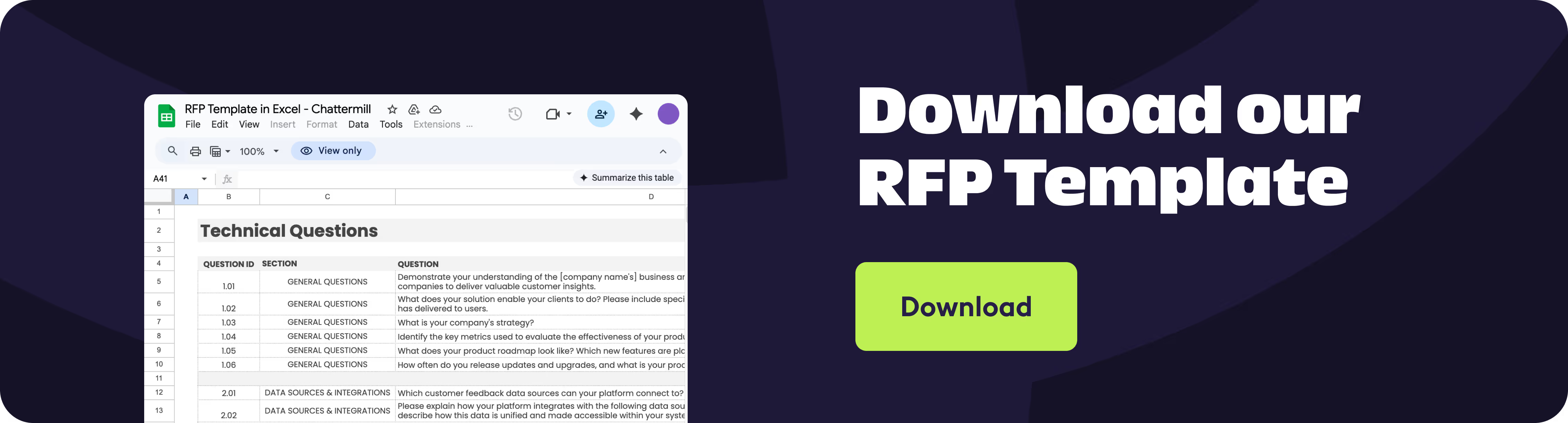
We also understand that launching a project often comes with competing priorities, so we’ve included a well-crafted RFP template to help you save time and avoid unnecessary costs.
What is a Request for Proposal (RFP)?
A request for proposal (RFP) is a structured document issued by an organization to invite qualified vendors to submit proposals for a specific project or service. It clearly outlines the project’s scope, deliverables, timelines, budget, and evaluation criteria to ensure a transparent and competitive procurement process.
RFPs help organizations communicate their needs precisely, making it easier to attract suitable vendors and compare proposals fairly. They can be publicly open or sent to selected suppliers, depending on the buyer’s strategy. A well-prepared RFP reduces uncertainty for both buyers and vendors, saving time and resources by focusing on qualified candidates.
RFP vs. RFI vs. RFQ
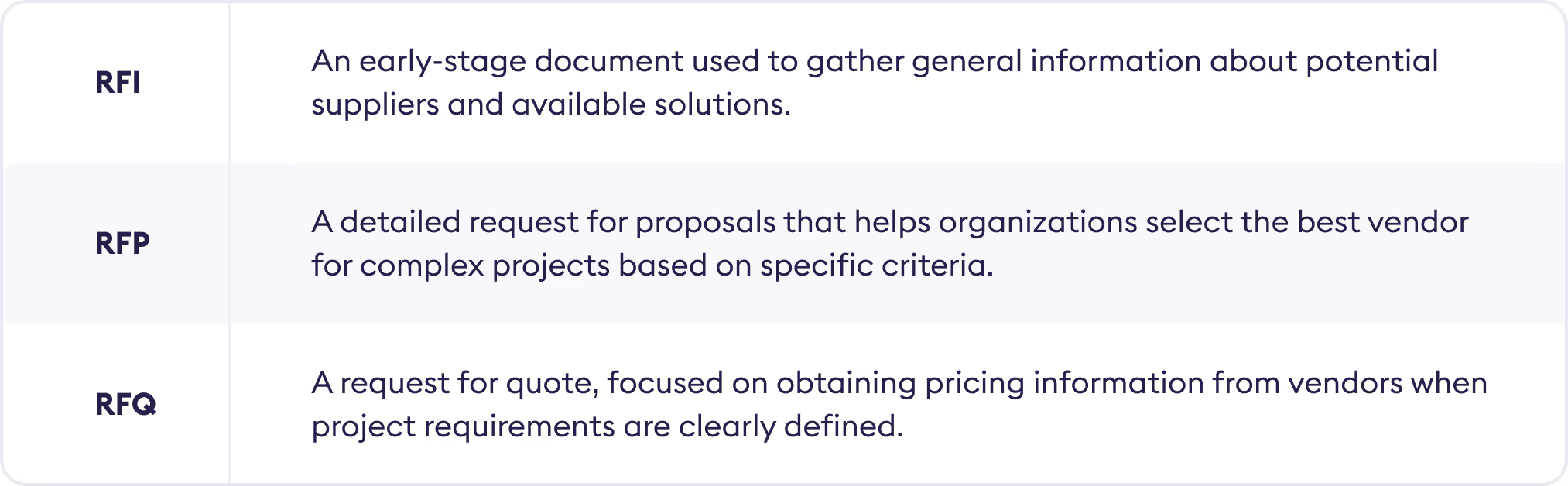
With so many acronyms floating around, it’s easy to get confused - so before we proceed, let’s clarify the difference between an RFP, RFI, and RFQ.
An RFI (Request for Information) is an initial step used to collect general information from potential suppliers. Its main purpose is to explore available solutions in the market and identify possible vendors, helping to guide and define the project requirements before moving forward.
An RFP (Request for Proposal) is a formal document that details specific project requirements, deliverables, timelines, and evaluation criteria. It is typically used for complex projects that need a strategic selection process. RFPs enable organizations to attract qualified suppliers who can deliver the best results and help meet project objectives. Through the RFP process, companies review submitted proposals to make an informed final decision.
An RFQ (Request for Quote) is used when an organization has well-defined requirements and is primarily focused on obtaining pricing information. It is a formal request for suppliers to provide their cost estimates for a specific product or service. Organizations typically issue an RFQ when they know exactly what they need or want to directly compare prices from multiple vendors.
Essential elements of an RFP
Creating a well-organized RFP document allows you to clearly communicate your requirements in a focused and efficient way. While the format of RFPs can differ across industries and projects, they generally contain essential components that ensure a thorough and effective proposal.
These are the key elements to include in your RFP:
- Company overview
- Project scope, objectives, and use cases
- Expected outcomes
- Specific requirements and evaluation criteria
- Challenges or potential risks
- Timelines
- Estimated budget
- Submission instructions
Company overview
The first step in preparing your RFP is to provide a brief introduction to your organization. This section should offer potential suppliers a clear understanding of who you are, what your business does, and why you’re looking for external support.
Include essential details such as your industry, business model, and overall mission.
You can also share information about your customer base and the volume of customer feedback your organization handles, as this helps suppliers better understand the scale and complexity of your needs.
Project scope, objectives, and use cases
In the next section of your RFP, clearly define the project scope, outline its key objectives, and describe the primary use cases. Start by providing context - explain why the project or service is needed and what business challenges it addresses. Describe how your teams plan to use the solution in practice - for example, to analyze NPS or CSAT data, identify the key drivers of churn, or uncover the main reasons behind customer support contacts. The more precise you are, the easier it will be for suppliers to determine whether they are the right fit.
Expected outcomes
Once you've defined your key use cases, clearly outline the business goals and measurable outcomes you expect to achieve. For example, if one of your use cases is analyzing the voice of the customer at scale, the expected outcome might be improving CX metrics like NPS or CSAT. And if you're planning to use the solution to surface reasons for customer churn, your goals might include improving retention.
Make the link between each use case and the desired impact on your business as specific as possible. This will help vendors better understand your priorities and tailor their proposals to support your strategic objectives.
Requirements and evaluation criteria
After setting your project goals, it's important to clearly communicate the specific requirements for the solution or service you’re looking for. This includes technical specifications, analytical capabilities, and any support resources you'll need.
The more detailed you are, the better. For instance, outline the integrations you expect (such as survey tools, CRM systems, or customer support platforms), the AI functionality that matters to your team, as well as reporting, sharing, or collaboration features. A clear set of requirements makes it easier for vendors to assess whether they are a good fit and to submit relevant, tailored proposals.

Potential challenges and risks
If you're aware of any potential challenges that could affect the project, it’s helpful to share them upfront. This allows vendors to demonstrate how they would address these issues as part of their proposal. Common examples include:
- Strict data security requirements
- Challenges with data collection processes
- Limited internal resources
- Unexpected project scope changes
Timelines
Set clear deadlines for proposal submissions and responses. Make sure to include the final submission date, the expected date for vendor selection, and an expected implementation start date. You can also outline a broader project timeline with key activities and milestones. This gives vendors the context they need to tailor their proposals and plan their resources accordingly.
Budget
Provide an overview of your budget so vendors can assess whether the project is a good fit. And if certain parts of the budget are still to be determined, be upfront about that - suppliers can then suggest estimated costs based on what you’ve outlined.
Submission instructions
Provide clear instructions to help suppliers submit their proposals smoothly:
- Contact information: Specify who vendors should reach out to with questions.
- Submission format: Clarify how proposals should be sent (e.g. email, online).
- Required content: List the key information and documents vendors need to include, such as case studies or marketing materials.
- Proposal structure: Explain how you’d like the proposal to be organized for easy review.
Setting these expectations upfront ensures consistent, easy-to-compare proposals from all suppliers.
A Step-by-Step Guide to Writing an RFP for Customer Experience Intelligence Platforms
Step 1: Identify your use cases
Start by clearly defining the problems you're trying to solve and specifying the key use cases. This will help you evaluate which vendors and technologies are the best fit. It’s important to choose a solution that not only addresses your current challenges and supports your desired business outcomes but also has the flexibility to scale with you over time.
Look for a platform that is also flexible enough to support additional teams - like Product, Support, Sales, or Marketing - as your needs evolve. Choosing a tool that can't scale across teams or adapt to future use cases may lead to costly upgrades or replacements within 6–12 months.
Review the common use cases listed below and determine which ones are relevant to your business today, and which may become important in the next 6 to 12 months or beyond.
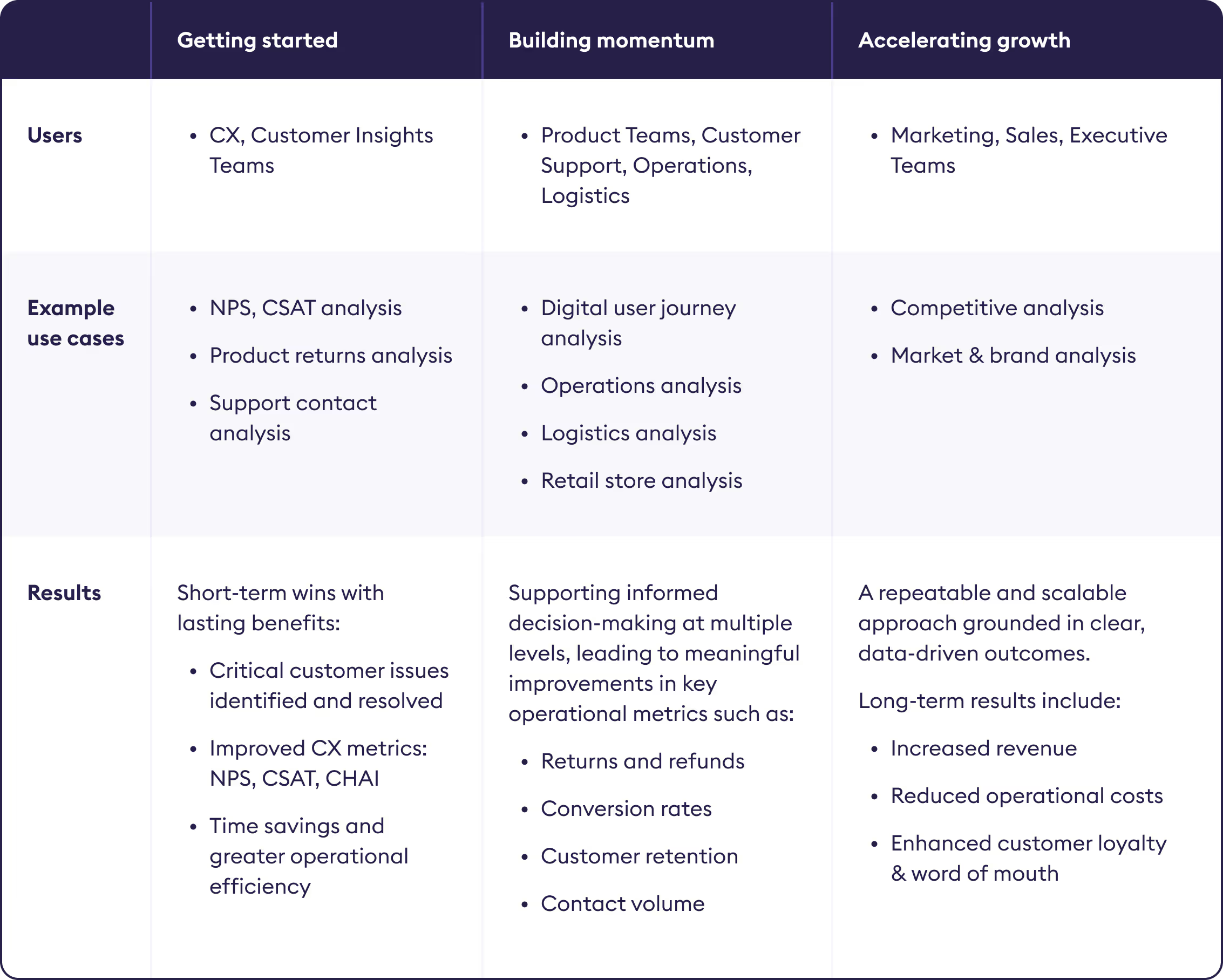
Most companies begin with basic Customer Experience Intelligence use cases such as:
- NPS and CSAT analysis
- Product returns analysis
- Support contact analysis
Once these initial programs are established - typically within 6 to 9 months - companies often expand into more advanced CXI use cases, including:
- Digital user journey analysis
- Operations analysis
- Logistics analysis
- Retail store analysis
- Competitive analysis
- Market & brand analysis
Step 2: Recruit your evaluation team
Assemble the right group of stakeholders early on to ensure a smooth and effective evaluation process. Defining everyone’s role upfront helps avoid confusion and speeds up decision-making. Consider including the following:
- Primary stakeholders: These are the people who will use or benefit most from the solution. Typically, they come from CX, Insights, or Product teams and act as internal champions.
- Executive sponsor: A senior leader who provides high-level support, aligns the project with company goals, and approves the final decision, especially for larger investments.
- Procurement: Someone from procurement should be involved to manage vendor communication, handle documentation, and ensure the process follows internal purchasing policies.
- Other key functions: Depending on the complexity of the RFP, it’s often useful to include representatives from Legal, Finance, or IT to review contracts, assess risks, and validate technical requirements.
Step 3: Define your evaluation criteria
When creating an RFP for a Customer Experience Intelligence or Feedback Analytics platform, it’s important to define clear, objective evaluation criteria. These should reflect your team’s goals and long-term priorities, helping you choose a solution that delivers lasting value and reduces the risk of costly vendor changes down the line.
Here are the key areas to evaluate when comparing Customer Experience Intelligence solutions:
- Vendor evaluation
- Data sources and integrations
- AI and analytics capabilities
- Reporting capabilities
- Collaboration and sharing features
- Security, privacy, and compliance
- Implementation and onboarding
Below, we’ll walk through key areas worth evaluating, why they matter, and how the right choice can support your business growth.
Vendor evaluation
Experience working with similar companies
Choosing a vendor with clients that share your business profile increases the chances the solution will be tailored to your needs and that the vendor understands your specific challenges.
Ask how many customers they have comparable to you, request references from companies that have successfully addressed similar issues using their technology, and ask for tangible case studies or measurable results they’ve helped their customers achieve. CXI solutions should drive clear improvements in metrics such as NPS, customer satisfaction, retention, and revenue.
Customer satisfaction
A large, satisfied customer base is a key sign of a reliable vendor. Check review sites like G2 Crowd or Gartner to see how many 5-star reviews they have, and what actual users say about their products. Many sites also let you compare solutions side-by-side for easier evaluation.
Product roadmap
Ask the vendor to share their product roadmap and vision to ensure their future plans align with your evolving needs. A strong partner regularly updates their platform with new features and improvements based on customer feedback and market trends. Understanding their roadmap helps you gauge how committed they are to innovation and whether they will continue to support and enhance the solution as your business grows.
Data sources and integrations
The best CXI tools serve as a central hub, unifying feedback data - surveys, support tickets, app reviews, chats, social media, and more - into a single view. Your chosen solution should capture as much information as possible to help you understand the entire customer experience.
When evaluating providers, focus on these key aspects:
Integrations with multiple data sources
Begin by mapping out which channels are most critical to your team at the moment. A CXI platform of your choice should be able to automatically connect to these sources, centralize the data, and provide additional context through metadata.
Be sure to request a full list of all data sources the vendor supports, so you can easily connect additional channels as your needs grow.
Metadata enrichment
Metadata enrichment means adding extra details to your feedback, like customer ID, transactional data, or location, so you can slice and dice feedback to get more meaningful insights. This helps you filter and compare data more effectively, making it easier to answer complex questions
Language support
Check how the provider handles multiple languages. If you plan to expand globally, it’s essential that the platform delivers accurate translation and analysis across all the languages you need.
Open API access
If you collect feedback using internal tools or plan to import it from a central data warehouse, check that your provider includes API access in your package and offers clear API documentation. It allows you to automatically send feedback into the platform and push insights back into your internal systems.
AI capabilities
AI-driven feedback analytics are fundamental to every platform in this space, but not all AI delivers meaningful, actionable insights. Look for a solution that leverages advanced AI models to ensure accuracy, reliability, and consistency. The insights provided should be detailed and clear enough to guide your prioritization of both strategic and tactical actions.
When assessing vendors, pay close attention to these critical factors:
AI technology
When evaluating a vendor’s AI capabilities, ask what kind of technology powers their platform. Different providers analyze feedback in different ways, so it’s important to understand what sets them apart. The strongest platforms combine multiple AI methods - like Aspect-Based Sentiment Analysis, supervised learning, LLMs, and generative AI - to deliver rich, nuanced insights grounded in proven research.
Make sure the solution is contextually intelligent, capable of understanding the nuances in a way that reflects the full picture of your customer feedback. Finally, ensure the technology is built with future advancements in mind, so it can support ongoing innovation and remain effective as AI evolves.
Sentiment analysis
Choose a solution that uses Aspect-Based Sentiment Analysis (ABSA), which can detect multiple themes in a single comment and assign sentiment to each one individually. For instance, if a customer praises delivery speed but complains about product quality, the tool should capture both sentiments separately and accurately. Steer clear of solutions that rely on manual tagging or researcher interpretation, as this introduces subjectivity - ultimately reducing the reliability of your insights.
Taxonomy
Assess how the vendor builds your taxonomy - the system that organizes customer feedback into categories and themes. Since every business is unique, generic taxonomies add little value. Choose a platform that customizes analysis to your specific data, tagging feedback with themes relevant to your products and services.
Taxonomy management
Look for a solution that allows you to edit and manage themes as priorities shift, letting your team adjust themes while controlling editing access to maintain consistency.
Emerging themes
Ensure the platform can tag 100% of your data, surface emerging themes organically, and give you flexibility to create a new theme to track if needed.
Feedback analytics
Make sure the insights provided by the platform are genuinely actionable - because insights only matter if they lead to impact. The right solution should help you prioritize findings based on business value, identify the most pressing customer issues, and quantify how widespread certain problems or concerns are.
It should also support benchmarking over time, help you answer key questions from different stakeholders, and automatically detect spikes or anomalies in the data to alert you to potential issues early.
Reporting capabilities
The right solution should make it easy to create reports, track trends over time, identify the root causes behind customer issues, and monitor key indicators like customer satisfaction or NPS. It should also be intuitive enough for anyone on your team to explore the data and answer business questions - without needing advanced technical skills.
When comparing providers, evaluate the following features and capabilities:
Qualitative and quantitative analysis
Look for a solution that combines qualitative insights with quantitative analysis. While open-ended feedback helps explain what customers are experiencing, the platform should also quantify these issues - so you can see how often they occur, how they affect key metrics, and which ones to prioritize.
Dashboards
Choose user-friendly, customizable dashboards that can be tailored to different teams and use cases. They should include features like filters, time ranges, comparisons, annotations, and summaries to help each team quickly find relevant insights.
Strategic and precision insights
When choosing a solution, ensure it provides both strategic insights - highlighting broader trends and opportunities - and precision insights - identifying specific issues or sudden shifts requiring immediate attention. This combination enables teams to prioritize initiatives based on long-term goals and urgent customer needs.
Filters & segments
Choose a solution that allows you to filter and segment data using multiple dimensions, so you can build detailed reports that answer specific business questions. It should support the use of metadata and offer an intuitive interface, making it easy to break down and analyse data from different angles.
Impact analysis
Tracking metrics is useful - but understanding what drives changes in those metrics is what really matters. Look for a solution that helps you connect customer feedback themes to shifts in scores like CSAT or NPS, so your team can focus on the initiatives that will have the greatest impact.
Verbatim feedback
Ensure the solution enables you to access direct customer quotes alongside each insight. Seeing the actual words customers use adds context, builds confidence in the data, and helps teams understand the real experiences behind the data.
Achieving the right level of detail
Excessive detail can make it harder to see overall trends, while too little can miss important nuances. Check if the vendor provides multiple layers of detail - from broad categories down to specific themes and specific issues - allowing you to smoothly switch between a high-level summary and detailed insights.
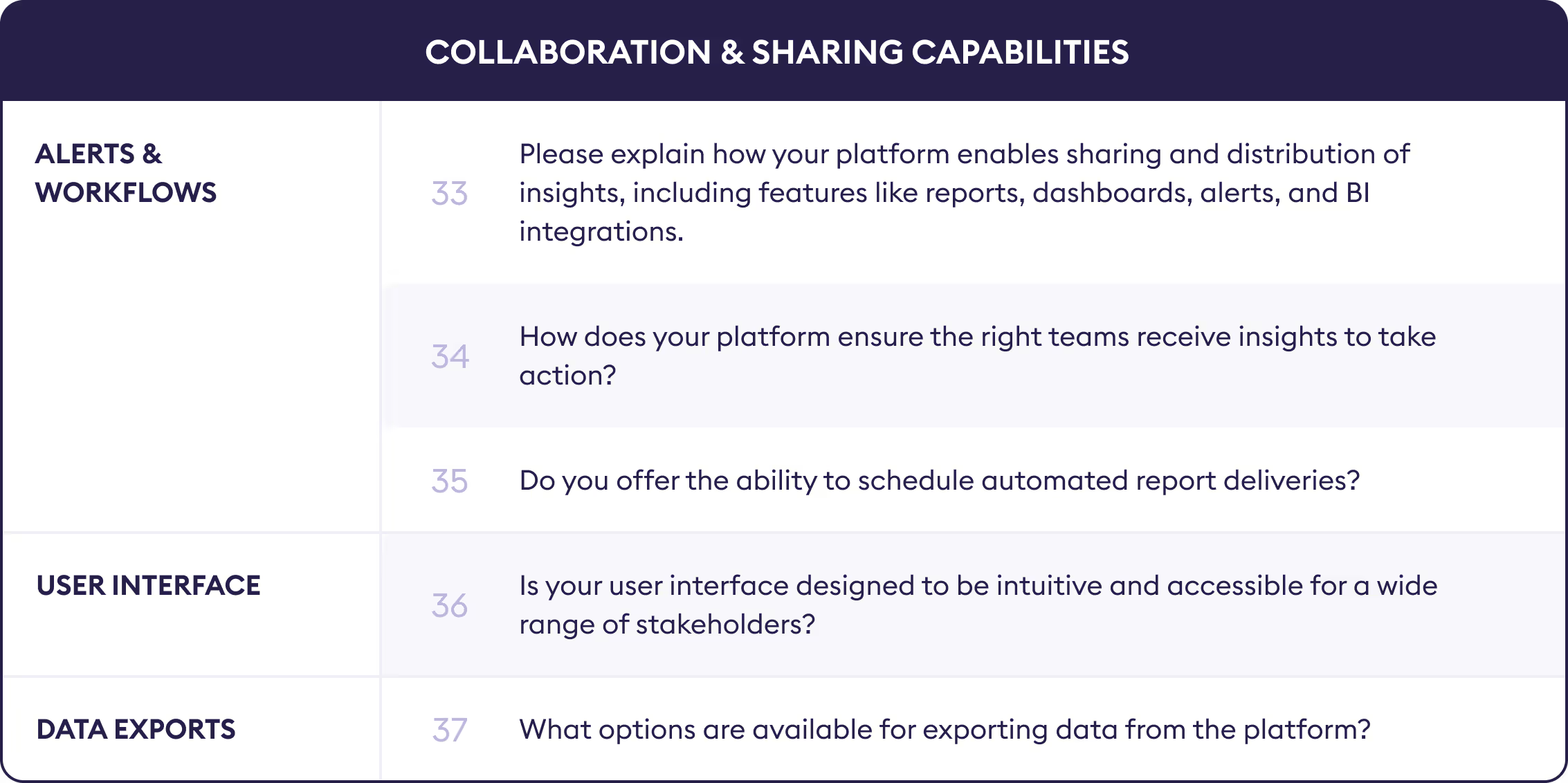
Collaboration & sharing capabilities
You’ll want a solution that simplifies sharing results with different teams and stakeholders. Look for a provider that supports easy collaboration, makes insights accessible to everyone, and allows team members to independently explore the data.
When evaluating options, look for these features and capabilities:
Insights sharing and distribution
Select a solution that makes it easy to keep the right stakeholders informed, so they can take timely action. Look for features that automatically send reports and dashboards to the appropriate people via email or Slack, and trigger notifications when shifts in themes, new topics, or unusual trends are detected. This keeps your team informed of important changes in their areas - even if they don’t check the system every day - so they can act quickly.
Anomaly detection and alerting
Check if your solution automatically triggers alerts when anomalies or sudden changes occur in your data. It should allow teams to receive notifications about shifts in specific themes or metrics relevant to their responsibilities.
Ease of Use & UI
Choose a solution that is intuitive and accessible for all users. It should make creating and managing reports or dashboards, adding widgets, and filtering data really simple. Features like templates, quick summaries, and automated insight generation are especially valuable for beginners.
Data exports
Ensure the solution lets you export analyzed data in formats like CSV or PDF, or access it via API - so you can combine insights with your internal data and systems.
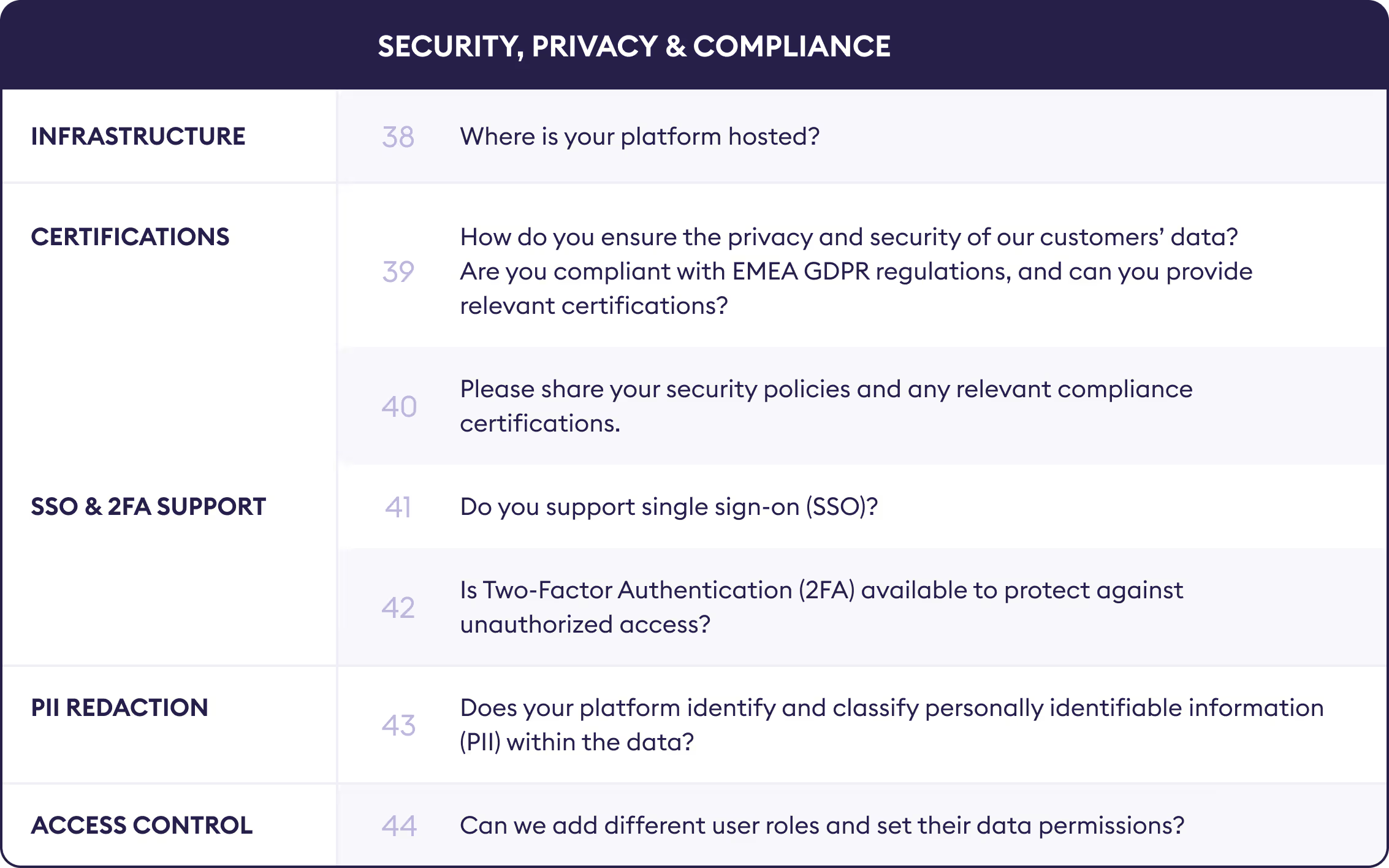
Security, privacy, and compliance
When entrusting a third-party provider with your customer data, it’s critical to ensure they meet your legal, compliance, and security requirements. The platform should adhere to strict data protection protocols and align with leading privacy standards.
Here’s what to evaluate when looking for the right provider:
Data hosting and infrastructure
Ensure the provider’s infrastructure can scale efficiently as your data grows. Consider where the data is hosted - whether on regional servers that meet your jurisdiction’s legal requirements or cloud environments with global coverage. Additionally, the solution should include robust backup and disaster recovery plans, along with responsive technical support and regular maintenance to keep the system stable and secure.
Certifications
Ask if the provider can demonstrate a strong commitment to data privacy and security through recognized certifications. Ensure they comply with GDPR requirements. Look for SOC 2 Type II certification and ISO 27001 compliance, which confirm that the vendor follows rigorous security standards for enterprise software.
SSO & 2FA support
Check if the provider supports Single Sign-On (SSO) and Two-Factor Authentication (2FA). SSO enables secure, streamlined logins while simplifying access management and reducing password-related risks. 2FA adds an extra layer of protection, helping prevent unauthorized access even if passwords are compromised.
PII redaction
Always consider how vendors handle personally identifiable information (PII). Ensure that sensitive data, like phone numbers or credit card details, is anonymized or removed when necessary.
Access control
Check if the solution supports multiple user roles with granular permission settings. This helps ensure users only access data and features relevant to their role, reducing risk and supporting internal data governance.
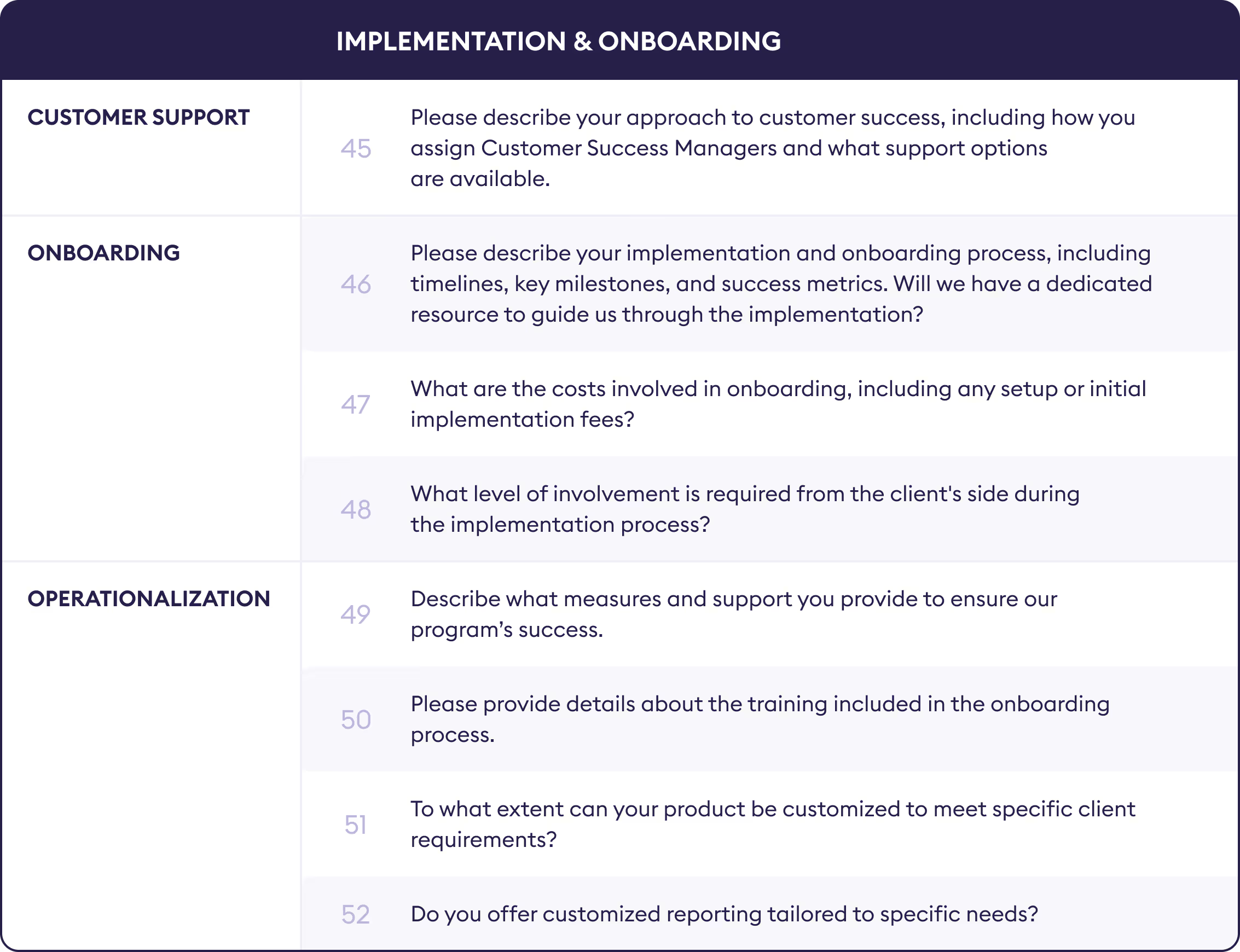
Implementation and onboarding
Even with clear business goals, teams often struggle to turn them into action - unsure which data to connect, how to structure dashboards, or who should be involved. Look for a provider that offers more than just technology - they should combine powerful tools with expert guidance to help turn insights into real business outcomes.
Here’s what to evaluate when looking for a strategic partner:
Customer support
When evaluating a provider, ask what kind of ongoing support they offer. Look for a partner that goes beyond basic troubleshooting - ideally, one that assigns a dedicated Customer Success Manager who understands your goals and acts as a strategic advisor.
Onboarding
When assessing potential providers, ask about their onboarding process - how quickly your team can start using the platform, how long full setup takes, and whether onboarding is included or comes at an additional cost. Make sure to clarify how much time and internal effort will be required from your side.
Program design
Ask if your vendor can assess your CX maturity and help design a tailored program. Look for partners who conduct comprehensive assessments, define KPIs tied to business metrics, and evaluate your data collection strategy - ensuring you're gathering the right feedback at the right moments through the right channels.
Implementation & go-live
Ask about the vendor's framework for operationalizing use cases across your organization. The right partner will help prioritize high-value use cases, identify which data sources to integrate, and provide hands-on support designing tailored dashboards and reports - ensuring each team sees focused, actionable insights rather than generic templates.
Bespoke reporting
Find out if your vendor has a dedicated insights team that can periodically dive deep into your data. Look for vendors offering on-demand analysis services beyond standard reports - bringing fresh perspectives and advanced expertise to uncover hidden opportunities or risks your internal teams might overlook.
Training and certification
Beyond initial onboarding, evaluate what ongoing learning resources the vendor provides. Look for a mix of in-person training, on-demand courses, and certification programs that support self-paced learning - ensuring all teams, not just CX experts, can confidently use the platform and drive long-term program success.
Step 4: Build an evaluation rubric
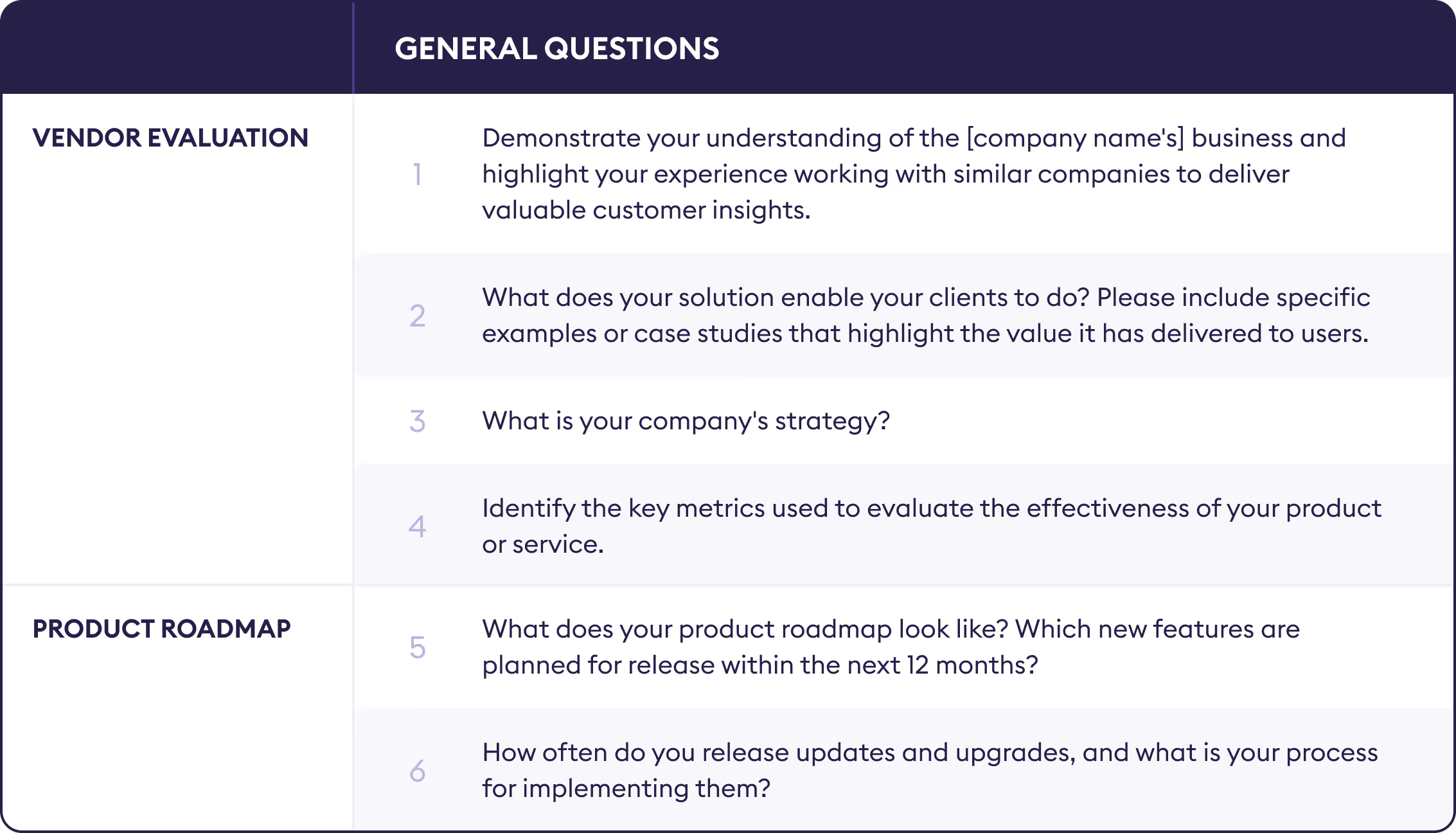
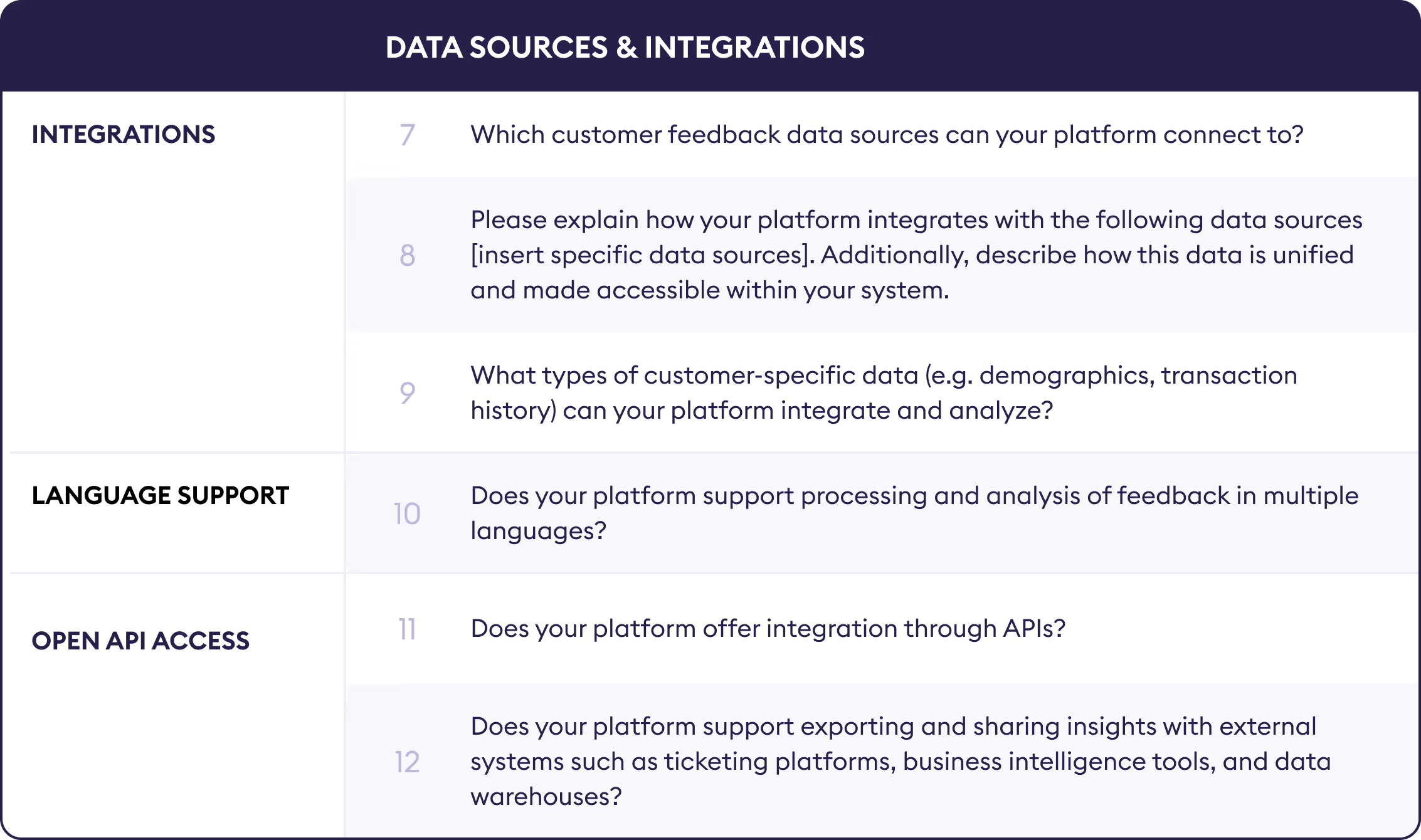
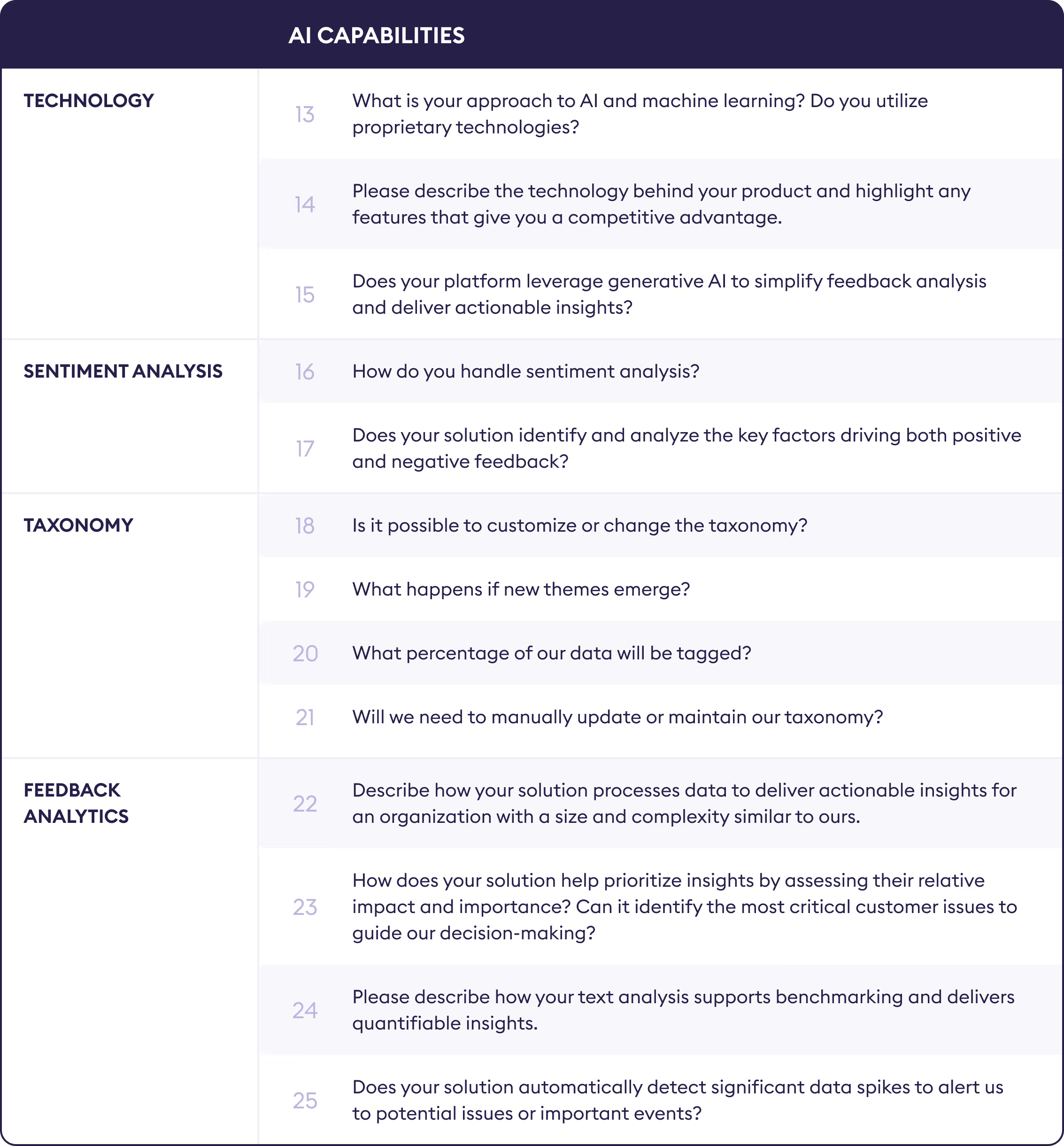
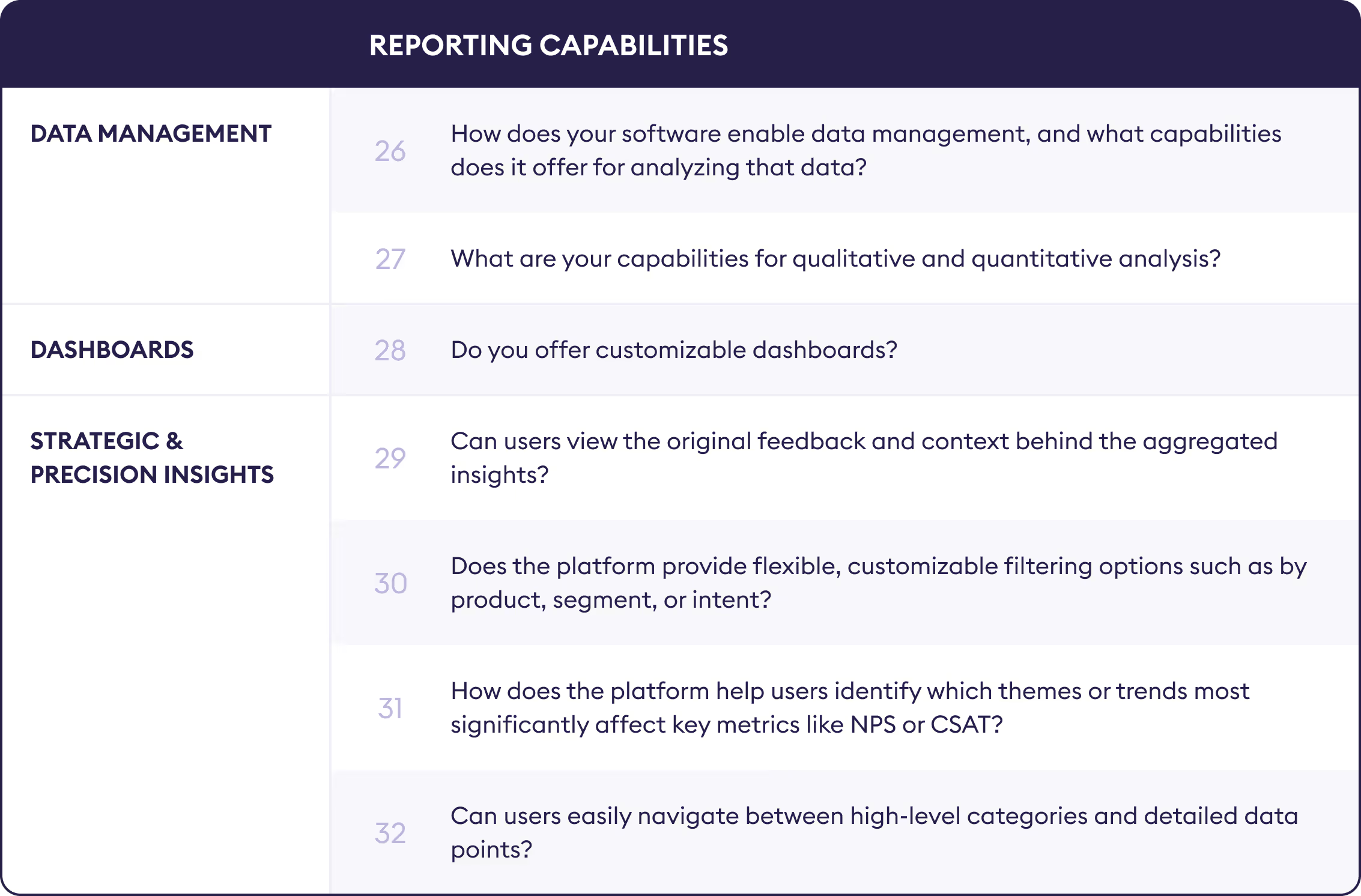
Now that you know which requirements might be important for your evaluation, you can build a rubric to compare vendor capabilities against your needs.
Here is a general outline of questions about features and capabilities to consider during your evaluation. To edit it or create your own checklist, download our RFP template.
Step 5: Create a clear project timeline
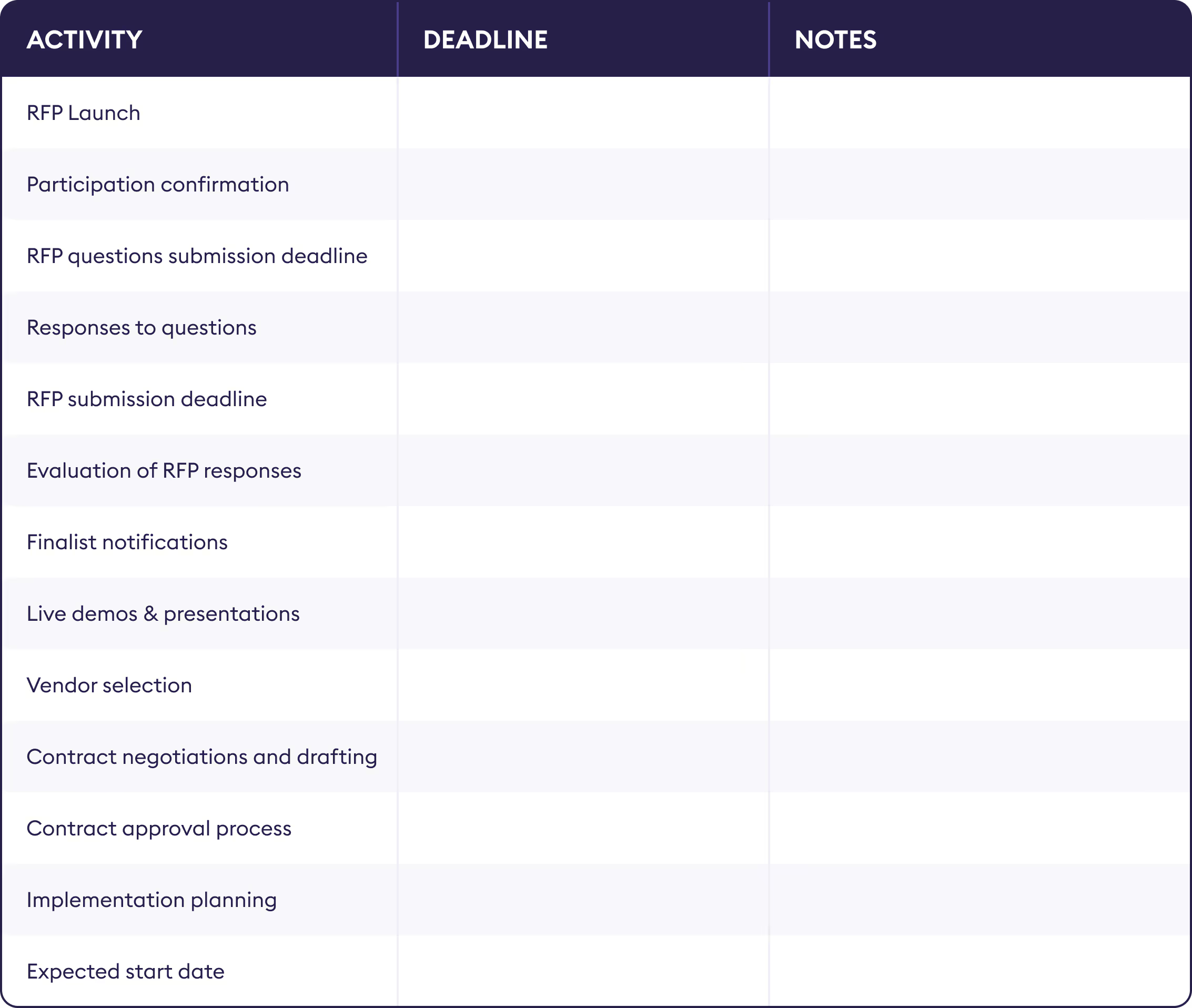
Clearly define the key dates vendors need to know - when proposals are due, when you expect to select a partner, and when you expect the project to begin.
Including a broader project timeline with major activities and milestones can also help. This context allows vendors to align their proposals with your schedule and plan their resources effectively.
Here’s a clear and concise example timeline you can include in your RFP process:
Step 6: Share your RFP with potential vendors
Once your RFP is complete, it’s time to send it out to potential vendors. You can do this through email, company website, or a procurement platform, depending on how you typically manage vendor communication.
After distribution, make sure to:
- Answer any vendor questions quickly and clearly.
- Review all proposals against your defined criteria.
- Organize interviews or demos with shortlisted vendors.
- Choose the vendor that best meets your needs.
A well-organized RFP process - and the right tools to support it - can help you move efficiently and confidently toward the right decision.
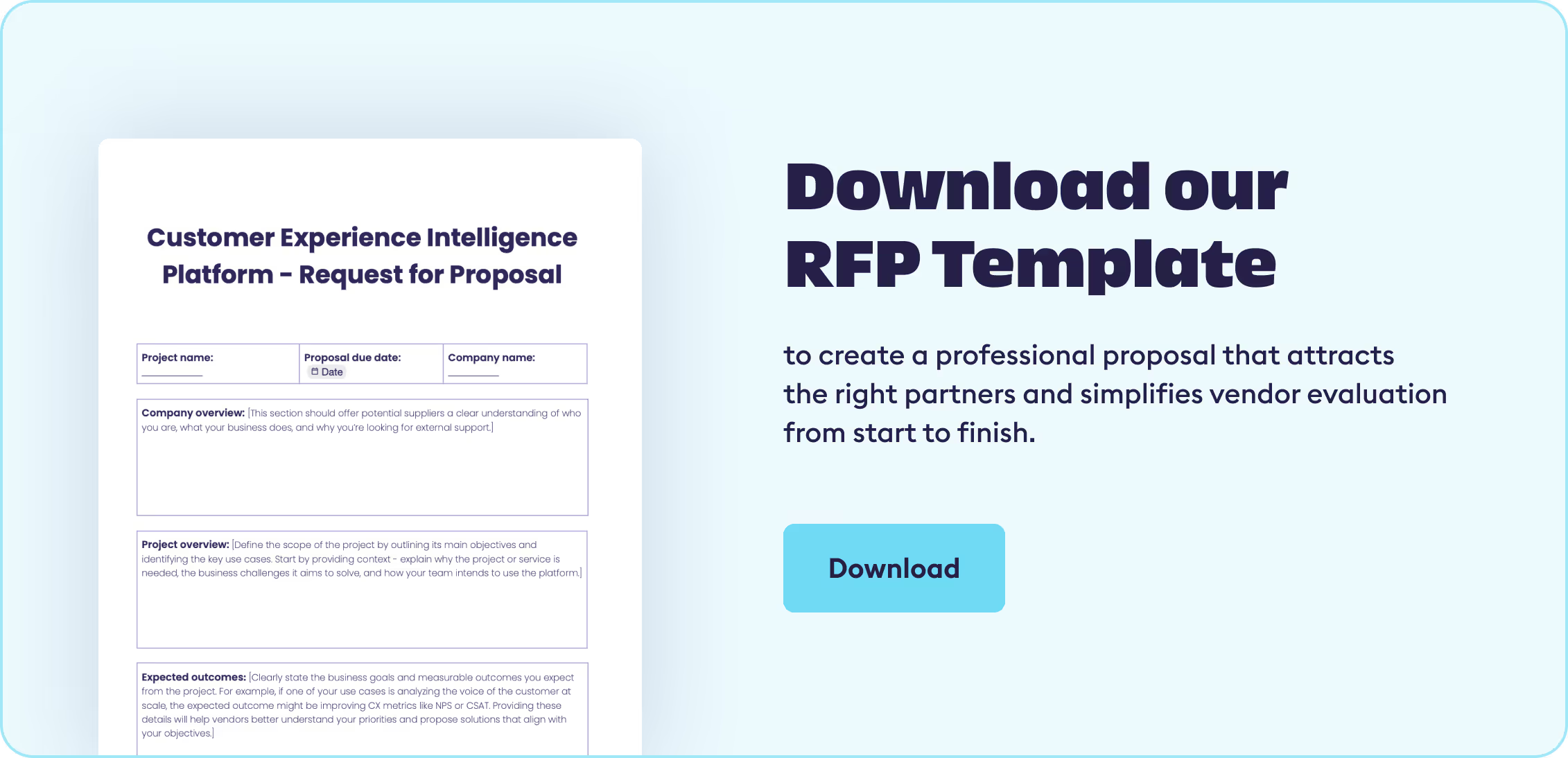
RFP Template for Customer Experience Intelligence
This comprehensive RFP template is designed specifically for choosing the right Customer Experience Intelligence platform, offering a clear structure for potential vendors to follow. It includes sections for project objectives, deliverables, evaluation criteria, and submission requirements - helping you streamline the selection process.
Download our template to create a professional proposal that attracts the right partners and simplifies vendor evaluation from start to finish.
About Chattermill
Chattermill, the Customer Experience Intelligence company, enables leading brands to unlock their customers' reality. Global enterprises like Amazon, H&M, and Uber rely on Chattermill to operationalize CX data. Chattermill is the best-in-class AI-powered platform for CX, Product, Marketing, and Support teams to action insights from their customer data at scale, ranked no.1 in multiple G2 categories.


See Chattermill in action on your own feedback
Book a demo


